November 19, 2026 | Ashok Singh
Introduction
IV infusion sets are used with compatible equipment to deliver prescribed fluids through an established intravenous access device. Hospitals and clinics use different configurations depending on therapy, equipment and clinical protocol.
What is an IV infusion set?
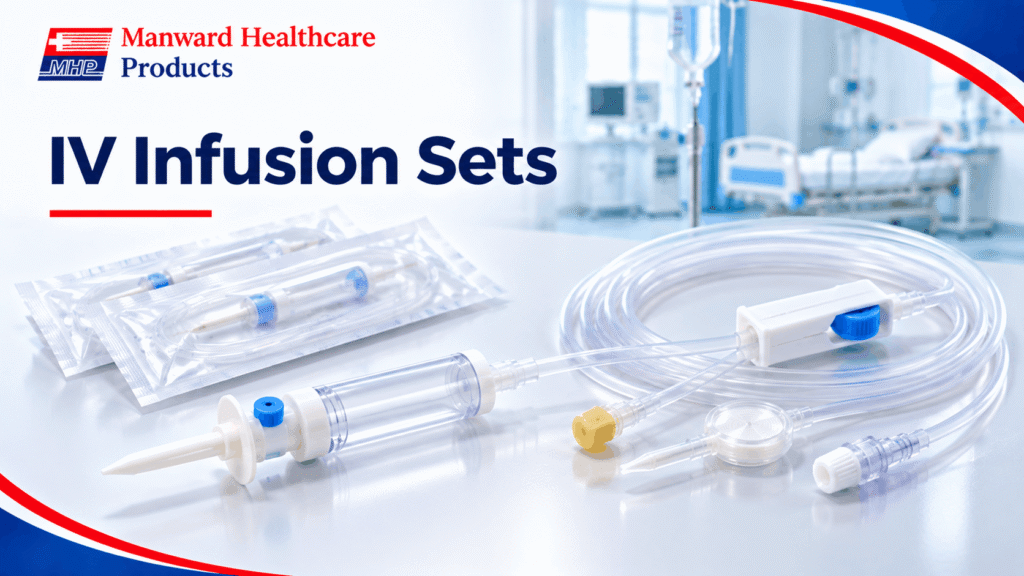
An infusion set is a fluid pathway assembly. Depending on design, it may include a spike, drip chamber, tubing, flow regulator, injection port, filter and connector. Not every set contains the same components.
Main components
The spike connects to a compatible fluid container; the drip chamber allows observation of fluid movement; tubing carries the fluid; a flow-control component regulates delivery in designs that include one; and the connector attaches to compatible IV access. Some products include an injection port or filter.
Types and configurations
Sets can vary by connector, tubing length, vented or non-vented design, filter inclusion, injection port and intended fluid container. Selection should be based on compatibility and clinical requirements.
What to check before purchasing
Review tubing length and material, drip chamber, spike type, connector, injection port, filter, flow-control mechanism, sterility, single-use labelling, packaging and expiry information. Confirm compatibility with the intended equipment.
Safe handling
Healthcare professionals should follow the manufacturer’s instructions and institutional procedures for setup, use, replacement and disposal. Inspect packaging and do not use compromised or expired products.
Conclusion
The appropriate infusion set is one whose configuration matches the clinical application and equipment. Obtain the product datasheet and confirm compatibility before ordering. Contact Manward Healthcare Products to enquire about its IV infusion set specifications and availability.
