November 19, 2026 | Ashok Singh
Introduction
Hospitals, clinics and diagnostic centres require regular supplies of medical consumables. Distributors can serve these customers by sourcing appropriate products, understanding requirements and managing supply responsibly.
Research the market
Identify target customers in the territory: hospitals, clinics, laboratories, nursing homes and existing medical wholesalers. Understand product requirements, purchasing frequency, preferred brands and delivery expectations.
Choose product categories
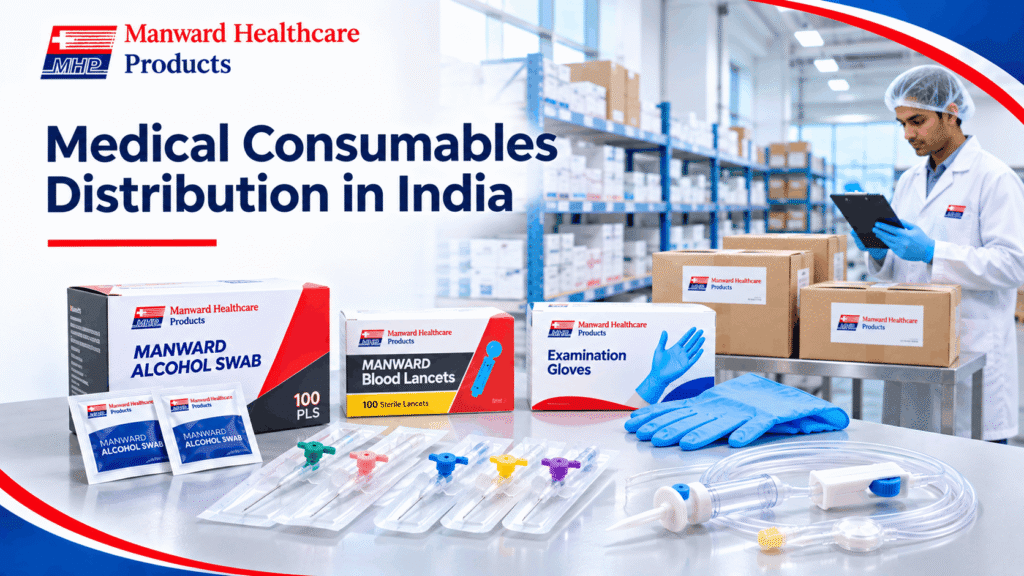
Start with a manageable range. Potential categories include gloves, alcohol swabs, lancets, dressings, syringes and IV consumables. Confirm applicable sourcing and regulatory requirements for each product before trading.
Understand legal requirements
Requirements depend on product category, intended use, import or domestic sourcing, storage and business model. Seek advice from relevant Indian authorities or qualified compliance professionals about licences, registrations, GST, medical-device rules, labelling, storage and records. Do not assume all medical consumables are regulated identically.
Select suppliers
Evaluate product specifications, documentation, quality systems, capacity, lead times, minimum order quantities, commercial terms and complaint handling. Verify that certificates and approvals apply to the specific products and facilities.
Plan inventory and working capital
Estimate demand, lead times, shelf life, storage needs and reorder points. Use stock rotation and expiry monitoring. Avoid tying up excessive capital in slow-moving products.
Develop customers and logistics
Build relationships with procurement teams, clinic owners and laboratory managers. Prepare an accurate catalogue and quotation process. Plan storage, dispatch, returns, complaint handling and records.
Conclusion
A sustainable distribution business depends on market knowledge, compliant sourcing, reliable suppliers, inventory control and customer service. Contact manufacturers such as Manward Healthcare Products to enquire about listed products, specifications and potential supply arrangements.
